
Turning Discarded Materials into Functional Medical Devices You Can Use
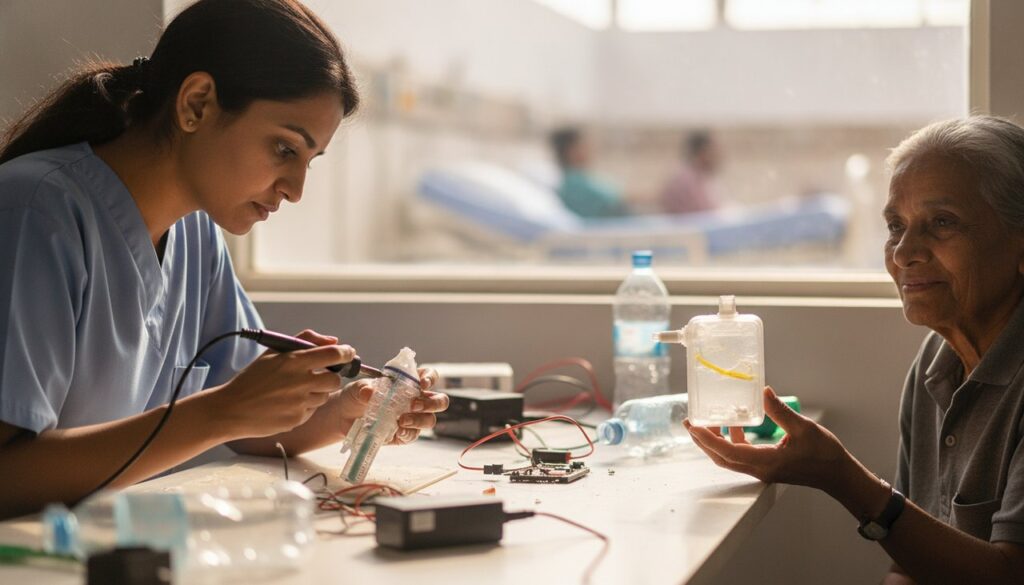
In a bustling government hospital in Mumbai, a young resident frowns at a pile of discarded surgical masks. The sheer volume of waste generated on any given day is staggering, and the thought of it all ending up in a landfill is frustrating. But what if these seemingly useless materials could be repurposed into functional medical devices? What if the waste could actually serve a purpose beyond its initial use?
The Hidden Potential of Medical Waste
Healthcare facilities generate tons of waste daily, much of it non-hazardous and composed of plastics. According to the Impact Plastics, around 80-85% of this plastic waste is clean and could potentially be recycled. However, due to inadequate infrastructure, these materials often end up incinerated or in landfills, contributing to pollution and environmental degradation.
This reality poses a dual challenge: managing waste effectively and seizing the opportunity to reclaim valuable materials. The global healthcare sector is projected to produce 48 billion pounds of plastic waste by 2025. Yet, with the right approaches, these discarded materials could become a treasure trove of resources for creating reusable medical devices.
Contrasting Paths: Incineration vs. Recycling
Let’s consider two paths: the conventional method of incineration and the innovative path of recycling. Incineration, while effective at reducing waste volume, releases harmful emissions such as dioxins and furans. These toxic byproducts contribute to air pollution and pose health risks to nearby communities.
On the other hand, recycling presents a promising alternative. By reprocessing and reusing materials like polypropylene from masks or polyethylene from disposable syringes, we can not only reduce environmental impact but also create new, functional devices. The mechanical recycling of plastics, for example, involves sorting, washing, and re-molding waste into new products. It’s a method that can transform disposable masks into sound-absorbing materials or even components for construction.
Mechanical recycling is the most prevalent method used today, involving sorting, washing, and re-molding waste into new products.
The Role of Advanced Recycling Techniques
Mechanical recycling has its limitations, particularly with complex medical plastics. This is where advanced recycling techniques come into play. These methods, such as pyrolysis and solvent extraction, break down plastics into their basic components, allowing for the creation of high-quality, virgin-like materials. Pyrolysis, for example, can convert waste syringes into valuable petrochemicals, offering a sustainable alternative to traditional disposal methods.
Advanced recycling not only addresses the complexity of medical plastics but also reduces reliance on virgin materials, supporting sustainability initiatives across the healthcare sector. By integrating these innovative techniques, healthcare facilities can transform their waste management practices and contribute to a circular economy.
Real-World Applications and Success Stories
Several countries have successfully implemented recycling programs to repurpose medical waste. In Australia, the Vinyl Council has initiated a program to recycle PVC medical waste into industrial products like hoses and mats. Similarly, in the UK, hospitals are downcycling PVC-based materials into horticultural items.
These initiatives demonstrate the potential for turning medical waste into valuable resources. By adopting similar programs, Indian hospitals can not only reduce their environmental footprint but also spur local innovation and economic development.
Challenges and Considerations
While the potential benefits of recycling medical waste are immense, there are challenges to consider. The diverse and intricate nature of medical packaging materials makes traditional mechanical recycling systems inadequate. There is also the risk of contamination, which can hinder the recycling process and compromise the quality of the resulting products.
To overcome these obstacles, healthcare facilities need to invest in infrastructure and technology that support advanced recycling methods. Additionally, a shift in mindset is required, one that prioritizes sustainability and embraces the potential of reusing discarded materials.
Advanced recycling techniques like pyrolysis and solvent extraction can transform complex medical plastics into high-quality materials.
Empowering Clinicians and Innovators
For Indian medical students, residents, and clinicians, the path to innovation starts with recognizing the potential in everyday challenges. By exploring ways to repurpose discarded materials, they can develop practical, low-cost solutions that address real-world needs. This approach not only fosters a culture of innovation but also equips healthcare professionals with the skills to design and implement sustainable practices.
At MICE Labs, we believe in empowering clinicians to turn ward insights into actionable solutions. By embracing a scrappy, hands-on approach, they can create devices that improve patient care and reduce environmental impact.
A Call to Action
The challenge of medical waste presents a unique opportunity for innovation. By turning discarded materials into functional medical devices, we can not only address environmental concerns but also improve healthcare accessibility and affordability. The journey to a more sustainable future starts with a single step: recognizing the potential in what we throw away.
Are you ready to transform waste into opportunity? The time to act is now, and the possibilities are endless.