
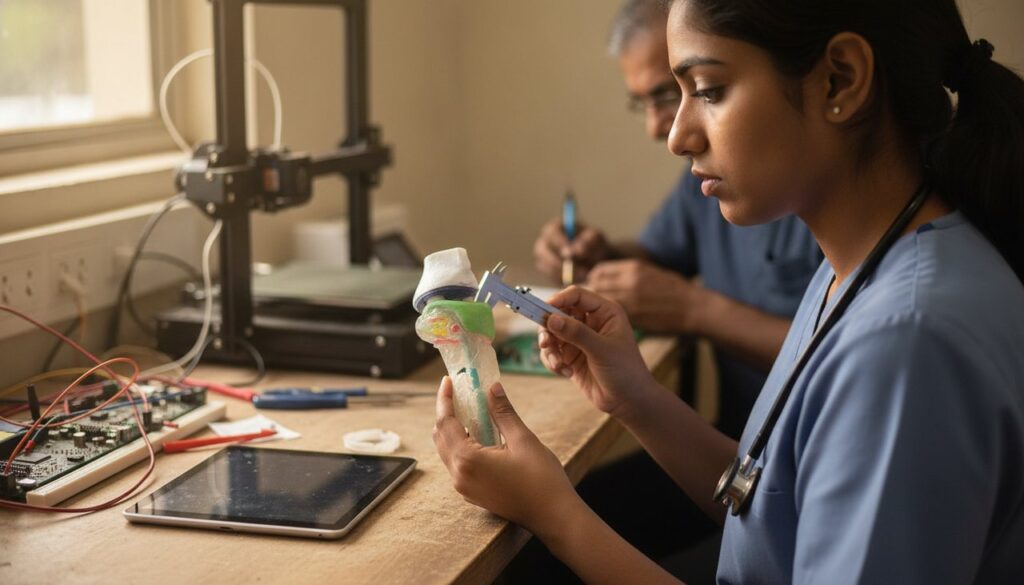
Streamline the Shift: Creating Your Own Handover-Enhancing Tools
Imagine you’re part of a surgical team at a bustling government hospital in Mumbai. The clock strikes 7 PM, and it’s time for the shift handover. The outgoing team is exhausted, eager to head home. Meanwhile, the incoming team stands ready, anticipating a smooth transition of responsibilities. Yet, as the handover unfolds, vital details are missed, confusion ensues, and the incoming team is left scrambling to piece together the puzzle of patient care. This scenario is all too common, and it’s a stark reminder of the critical need for effective handover tools in healthcare settings.
The Hidden Cost of Ineffective Handovers
A poorly executed handover isn’t just a minor inconvenience; it’s a significant risk factor that can lead to medical errors, compromised patient safety, and increased hospital stays. According to the World Health Organization, communication failures are a leading cause of inadvertent patient harm, contributing to nearly 70% of sentinel events in hospitals. In India, where resource constraints are a daily reality, the ripple effects of such inefficiencies can be even more pronounced.
Effective shift handovers are not just about passing the baton; they’re about ensuring the continuity of care and safeguarding patient well-being.
Building Your Own Handover Tools: Practical Steps
The good news is that you don’t need an engineering degree or a hefty grant to create effective handover tools. With a bit of creativity and resourcefulness, you can develop solutions tailored to your specific clinical context. Here’s how:
- Identify the Gaps: Begin by pinpointing the specific challenges in your current handover process. Is it a lack of standardized documentation? Are verbal communications leading to misinterpretations? Understanding the root causes will guide your tool development.
- Leverage Existing Resources: Take stock of the materials and technology you already have at your disposal. Can old hospital equipment be repurposed? Are there digital platforms available for creating interactive checklists? Embrace the scrappy path by utilizing what’s already available. Learn more about repurposing hospital gear here.
- Design with the User in Mind: Create tools that are intuitive and user-friendly. Consider the workflow of both incoming and outgoing teams, and design your tools to facilitate seamless communication. Avoid lengthy forms that deter completion; instead, focus on capturing essential information succinctly.
- Prototype and Iterate: Develop a prototype of your handover tool and test it in real-world scenarios. Gather feedback from your colleagues and be prepared to make adjustments. Iteration is key to optimizing your tool’s effectiveness.
- Ensure Compliance and Safety: While innovation is crucial, it’s equally important to adhere to regulatory standards and ensure patient safety. Familiarize yourself with CDSCO guidelines and seek necessary approvals before implementing your tool on a wider scale.
Case Study: A Success Story from the Ward
In a government hospital in Chennai, a team of resident doctors faced constant challenges during shift handovers. The existing system relied heavily on verbal communication and handwritten notes, leading to frequent miscommunications and overlooked patient details. Determined to improve the process, the team embarked on a journey to create their own digital handover tool using basic software and readily available tablets.
By utilizing a simple digital platform, they developed an interactive checklist that could be easily updated and accessed by both incoming and outgoing teams. The tool included fields for critical patient information, medication updates, and pending tasks. This streamlined approach not only improved communication but also enhanced accountability and accuracy in patient care. Feedback from the team was overwhelmingly positive, and the tool is now being considered for wider implementation across the hospital.
Overcoming Constraints: Navigating the Realities of Indian Healthcare
While the potential benefits of handover tools are clear, it’s important to acknowledge the constraints that healthcare professionals face in India. Limited budgets, resource shortages, and regulatory hurdles are all part of the landscape. However, these challenges shouldn’t deter innovation. Instead, they should inspire creative solutions that are both practical and scalable.
Consider partnering with local tech startups or academic institutions to access expertise and resources. Collaborate with colleagues to share knowledge and brainstorm ideas. Remember, innovation doesn’t have to be costly or complex; it just needs to be effective and tailored to your specific needs.
FAQs
How can I start developing my own handover tool without technical expertise?
Begin by identifying the specific challenges in your handover process and explore existing digital platforms that offer customizable templates. Collaborate with colleagues who may have technical skills, and don’t hesitate to seek guidance from local tech communities or academic institutions.
What are some common pitfalls to avoid when creating handover tools?
Avoid overcomplicating the tool with unnecessary features, which can deter usage. Ensure that the tool is user-friendly and aligns with existing workflows. Additionally, prioritize compliance with regulatory standards to ensure patient safety.
How can I ensure my handover tool is compliant with CDSCO regulations?
Familiarize yourself with CDSCO guidelines and seek necessary approvals before implementing your tool. Consult with regulatory experts if needed, and ensure that your tool prioritizes patient safety and confidentiality.
Conclusion: The Call to Innovate
Creating effective handover tools is not just a technical endeavor; it’s a commitment to improving patient care and fostering a culture of safety and accountability. By taking the initiative to develop your own solutions, you can play a pivotal role in transforming the healthcare landscape in India. Embrace the challenge, leverage available resources, and remember that even small innovations can have a profound impact on patient outcomes. The path to innovation may be challenging, but it’s also within reach, and it’s a journey worth embarking on.