
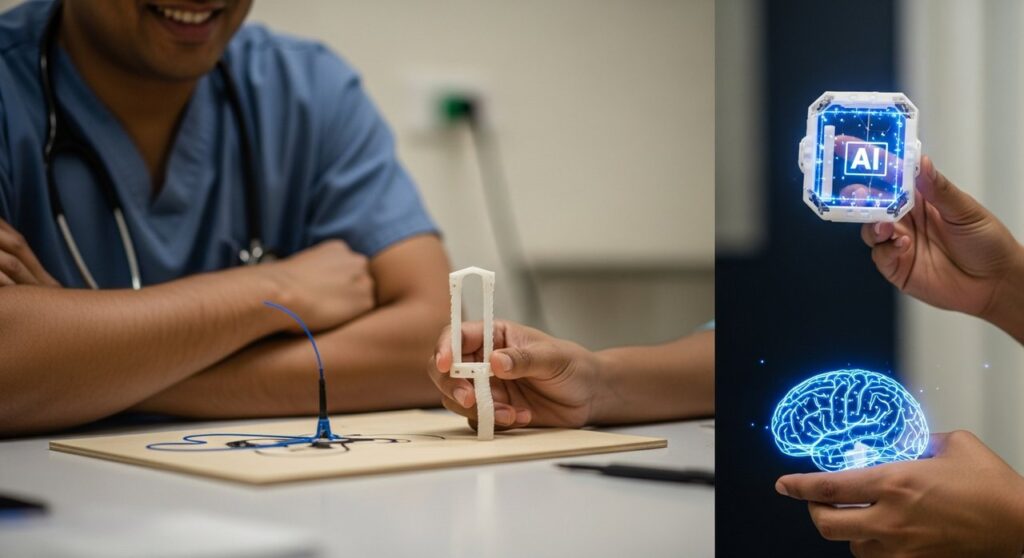
Turning Ward Experiences into Diagnostic Innovations: A Practical Approach
In the bustling corridors of Indian hospitals, where every second counts, lies a treasure trove of insights, the very experiences and frustrations of clinicians. Imagine this: a junior resident on a 24-hour shift at a government hospital, grappling with outdated diagnostic tools and overwhelming patient loads. The solutions to these everyday challenges don’t reside in glossy medical journals but in the very heartbeat of the ward. The myth that diagnostic innovation requires an engineering degree or a hefty grant is just that, a myth. The reality? Your real-world experience is the key to practical, impactful innovation.
The Myth of High-Tech Dependency
Many believe that to innovate in diagnostic processes, one must possess sophisticated technology or access to state-of-the-art facilities. This belief often discourages practitioners from even attempting to solve the problems they face daily. However, the truth is that successful diagnostic innovation is less about high-tech solutions and more about understanding the context and needs of the environment.
“Innovation begins with recognizing the real problems faced in daily clinical practice, not with high-tech fantasies.”
Consider the development of low-cost, portable ECG machines for rural settings. The innovation did not stem from the latest tech but from understanding the constraints of rural healthcare, limited electricity, lack of trained specialists, and financial constraints of patients. The solution was a device that met these specific needs, developed through iterative feedback and adjustments directly from the field.
Reality: The Ward as an Innovation Hub
The ward is a living laboratory. It’s where the unmet needs are glaringly obvious, and the consequences of those needs are felt in real-time. A resident may notice how a simple delay in test results can derail treatment plans. The key is to turn that observation into a diagnostic innovation.
Take the case of a common diagnostic bottleneck: radiology reports. In many Indian hospitals, a scan can take days to process, delaying critical treatment. By involving the radiologists, technicians, and referring doctors in a dialogue, solutions such as streamlined reporting protocols and AI-based image pre-analysis were developed, reducing the wait time significantly.
Our programs at MICE Labs teach clinicians to harness these daily insights, transforming them into practical solutions without needing large-scale investments or complex technology.
What to Do Instead: Practical Steps to Innovate from the Ward
- Identify the Friction Point: Spend a day observing the workflow. Where do delays happen? What causes frustration among staff? This is your starting point.
- Engage the Stakeholders: Talk to everyone involved in the process, from nurses to lab technicians. Their insights are invaluable and often overlooked.
- Prototype with Available Resources: Use basic tools and materials to create a prototype of your solution. For example, simple 3D printing can be a game-changer for creating diagnostic aids or modifying existing equipment.
- Iterate Based on Feedback: Implement the prototype in a controlled setting and gather feedback. What works? What doesn’t? Adjust accordingly.
- Scale Within Constraints: Think about scaling your solution. How can it be adapted for different resource levels? Always consider cost-effectiveness and ease of use.
The most critical step is the first one: identifying the friction point. Without clarity on what exactly needs fixing, efforts will be misdirected. Engaging stakeholders is also crucial as it ensures the solution fits seamlessly into existing workflows, enhancing its chances of adoption.
The Cost of Ignoring Ward Insights
Ignoring the insights from ward experiences not only perpetuates inefficiencies but also burdens the healthcare system financially. Consider the indirect costs of delayed diagnoses, extended hospital stays, increased medication use, and repeat visits, all of which strain limited resources. By contrast, innovations rooted in practical ward experiences can streamline processes, improve patient outcomes, and reduce healthcare costs significantly.
“Every hour saved in diagnosis can prevent a cascade of unnecessary costs and complications.”
Breaking Down the Barriers
What’s stopping you from turning your ward observations into innovations? Often, it’s the perceived barriers, regulatory approvals, lack of funding, or simply fear of failure. Yet, these barriers are not insurmountable. At MICE Labs, we emphasize the scrappy path to innovation, highlighting how many groundbreaking ideas started with simple hacks and adjustments.
Consider how a group of young doctors turned broken equipment into functional prototypes in a resource-constrained hospital in Mumbai. By repurposing parts and applying basic engineering principles, they managed to create functional diagnostic tools that were not only cost-effective but also tailored to the hospital’s specific needs.
The Role of the Maker-Mentor
Innovation isn’t a solo journey. Moving from an idea to a tangible solution requires collaboration and mentorship. The maker-mentor model at MICE Labs pairs clinicians with engineers and designers, fostering an environment where clinical expertise meets technical know-how.
Through our programs like MEDIC and MEDHA, we provide hands-on experience in prototyping and design thinking, equipping clinicians with the skills to bring their ideas to life. This partnership amplifies the potential of ward innovations, ensuring they are both practical and scalable.
Conclusion: From Myth to Reality
The myth that diagnostic innovation requires complex technology or substantial funding is a barrier we must overcome. The reality is that the solutions lie within the very walls of our hospitals, waiting to be discovered by those who live and breathe the challenges daily. By turning ward experiences into diagnostic innovations, we not only improve patient care but also empower clinicians to be the innovators they were always meant to be.
So, the next time you find yourself frustrated with a broken process or an outdated tool, remember, the power to change it is in your hands. Embrace the insights from your everyday experiences, and let them guide you to create practical, impactful solutions.