
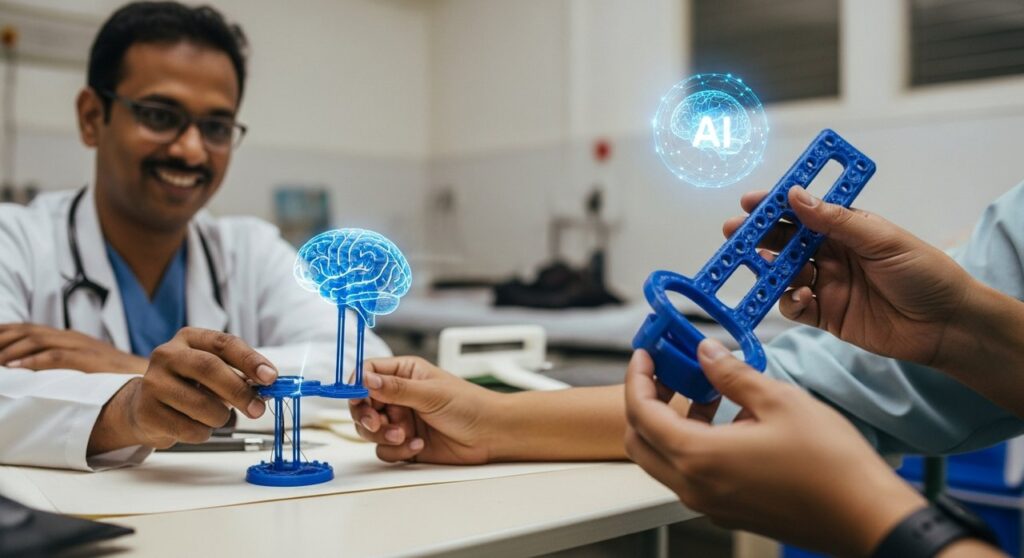
Collaborating with Colleagues: Co-Creation Stories from Government Hospitals
It was an ordinary day in a bustling government hospital in Mumbai. The corridors were crowded with patients, and the air was thick with urgency. In the midst of this chaos, Dr. Arjun, a resident physician, gathered his team for a meeting. The agenda was clear: improve the patient discharge process. The solution, however, was anything but straightforward. What unfolded was a story of co-creation, where doctors, nurses, and patients came together to redesign a system that had long been a source of frustration.
The Reality of Co-Creation
Co-creation in healthcare isn’t just a buzzword; it’s a practical approach that involves stakeholders, doctors, patients, and administrators, working together to design solutions that are genuinely effective. Yet, the path to co-creation is fraught with challenges, especially in settings like government hospitals where resources are limited, and hierarchies rigid.
In Dr. Arjun’s case, the discharge process was a notorious bottleneck. Patients experienced long waiting times, often due to administrative delays and miscommunications. The team decided to involve patients in the redesign process. After all, who better to provide insights into the patient experience than the patients themselves?
The Process: Steps to Co-Creation
- Map the Current Process: The team started by mapping the existing discharge process. They identified key stages where delays occurred, such as paperwork and medication reconciliation. This step was crucial in pinpointing the areas that needed the most attention.
- Engage Stakeholders: Involving patients was the next step. The team conducted interviews with patients who had recently been discharged. They also engaged nurses and administrative staff who were intimately familiar with the process. This diverse input provided a holistic view of the challenges.
- Prototype Solutions: Armed with insights, the team developed a prototype of a streamlined process. This included a digital checklist accessible to both patients and staff, ensuring that everyone was on the same page. The prototype was tested in a small ward to evaluate its effectiveness.
- Iterate and Implement: Feedback from the trial was overwhelmingly positive, but it highlighted areas for improvement. The team iterated on the prototype, refining the checklist and incorporating additional training for staff before rolling it out hospital-wide.
The most significant insight? Empowering patients as active collaborators led to solutions that were both practical and impactful.
Challenges and Surprises
One might assume that involving patients in hospital processes is straightforward. However, the reality is more complex. Physicians often worry about patients being overwhelmed by medical jargon or the intricacies of hospital operations. Yet, the co-creation process revealed a surprising truth: patients are more than capable of contributing valuable insights. When provided with the right context and support, their input can lead to meaningful improvements.
Dr. Arjun’s team faced initial resistance from some colleagues who were skeptical of the co-creation approach. They feared it would slow down the process. Instead, they found that involving patients actually expedited problem-solving by reducing the trial-and-error phase of implementation.
The Impact and Beyond
The redesigned discharge process reduced average wait times by 30%. Patient satisfaction scores improved significantly, and staff reported feeling more engaged and motivated. The success of this initiative sparked interest in other departments, leading to the establishment of a hospital-wide co-creation task force.
Beyond the immediate benefits, co-creation fosters a culture of collaboration that is essential for continuous improvement. It aligns stakeholders towards common goals, breaking down silos that often hinder progress in healthcare settings.
FAQs
What is co-creation in healthcare?
Co-creation in healthcare involves collaboration between various stakeholders, including patients, healthcare professionals, and administrators, to design and implement solutions that address specific healthcare challenges effectively.
How can co-creation be implemented in resource-constrained environments?
Co-creation can be implemented through structured approaches like Experience-Based Co-Design (EBCD), which provides a framework for engaging patients and staff in the design process. It emphasizes the importance of using existing resources creatively and collaboratively.
What are the key challenges of co-creation in healthcare?
Challenges include overcoming hierarchical structures, managing informational overload for patients, and addressing potential conflicts of interest among stakeholders. Effective communication and a commitment to transparency are crucial for success.
What are the benefits of co-creation?
Co-creation leads to improved patient outcomes, increased patient and staff engagement, and more efficient processes. It fosters a culture of collaboration and continuous improvement, aligning stakeholders towards shared goals.
How does co-creation impact patient engagement?
Co-creation empowers patients by involving them in the design and decision-making processes. This increases their understanding of healthcare systems and enhances their ability to contribute meaningfully to their care, leading to higher satisfaction and improved health literacy.
In the end, co-creation in government hospitals is not just about improving processes; it’s about redefining the patient-provider relationship. It’s about recognizing that the most effective healthcare solutions come from those who experience the healthcare system firsthand. As more hospitals embrace this approach, the potential for transformative change in healthcare delivery becomes not just a possibility, but a reality.