
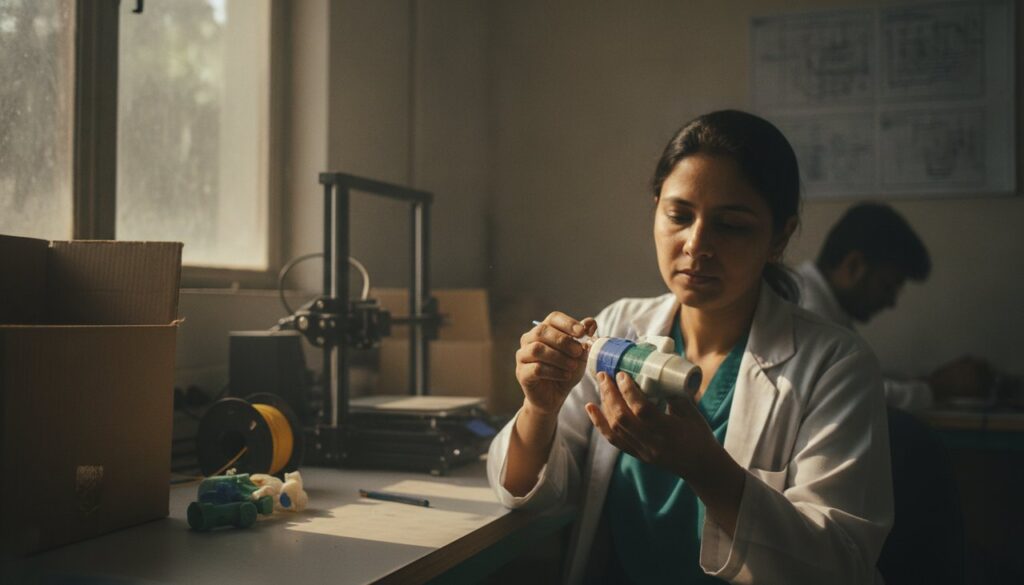
Ward-Driven Design: How Your Daily Challenges Can Inspire Next-Gen Medical Devices
In the bustling corridors of Indian hospitals, where every day is a battle against time and resource constraints, lies an untapped wellspring of innovation. The belief that developing next-gen medical devices is solely the domain of engineers and large corporations is a comforting myth. The truth? Some of the most innovative solutions can emerge directly from the challenges faced daily on hospital wards.
The Myth of the Ivory Tower
Many healthcare professionals believe that meaningful innovation in medical devices comes from well-funded labs and teams of engineers. The prevailing thought is that without an engineering degree or substantial funding, one cannot contribute to the development of groundbreaking medical technology. This myth, however, overlooks the unique and valuable insights gained from real-world clinical experience.
Innovation isn’t reserved for the ivory towers. It’s born from the relentless pursuit of solutions in the face of daily challenges.
Clinicians are the primary users of medical devices and have firsthand knowledge of what works and what doesn’t. The insights gained from using, and sometimes struggling with, current devices provide a unique perspective that is invaluable in the design process.
The Reality: Ward Insights as a Goldmine
Real innovation often begins at the bedside, where clinicians face the real-world usability challenges that engineering teams can only theorize about. The concept of ward-driven design taps into the wealth of knowledge that clinicians possess, turning everyday obstacles into design insights.
Consider the case of a simple yet revolutionary splint design that originated from a small clinic in rural India. Clinicians observed that traditional splints were cumbersome and often led to patient discomfort and compliance issues. By leveraging their direct observations and patient feedback, they developed a new, cost-effective splint using locally available materials and 3D printing, a true testament to how ward insights can lead to practical innovations.
Steps to Turn Ward Challenges into Medical Device Innovations
Ready to turn your ward challenges into the next big thing in medical devices? Here’s how you can start:
- Identify the Pain Points: Begin by observing and documenting challenges faced during your daily routines. Are there recurring workflow inefficiencies or device limitations that cause frustration?
- Gather Feedback: Engage with fellow clinicians and patients to gather diverse perspectives. What are their biggest pain points? What features do they wish current devices had?
- Prototype with Purpose: Use simple materials or 3D printing to create quick prototypes. Test these iterations in real-world settings to gather immediate feedback.
- Iterate and Refine: Use the feedback to make improvements. This iterative process is key to developing a device that truly meets user needs.
- Understand Regulatory Pathways: Familiarize yourself with the regulatory landscape in India. This will help you navigate compliance requirements and bring your device to market efficiently.
The Cost of Ignoring Ward Insights
Ignoring the value of ward insights can be costly. Devices designed without real-world input often fail to meet user needs, leading to poor adoption and significant financial loss. Moreover, such devices may inadvertently increase the workload on clinicians, adding to the stress and inefficiencies already present in the healthcare system.
Consider the example of a high-tech infusion pump that was highly praised for its engineering but failed to gain traction among nurses due to its complex interface. The device was ultimately shelved, resulting in wasted resources and missed opportunities to improve patient care.
What to Do Instead
Break free from the myth that innovation is beyond your reach. Engage with the challenges you encounter daily and consider them opportunities for improvement. Collaborate with peers, leverage patient feedback, and use simple prototyping tools to bring your ideas to life.
By doing so, you not only contribute to the advancement of medical technology but also enhance patient care and streamline workflows in your immediate environment.
The future of medical device innovation lies in the hands of those who experience its shortcomings every day.
The Way Forward
Embrace the discomfort of recognizing the real costs of ignoring ward insights and take the first steps toward change. The potential to inspire and develop next-generation medical devices is within reach for every clinician willing to look beyond the status quo.
As you engage with these processes, remember that your clinical experience provides a unique lens through which you can view and solve problems. The path to innovation may be challenging, but it is undoubtedly achievable, and the impact, immeasurable.