
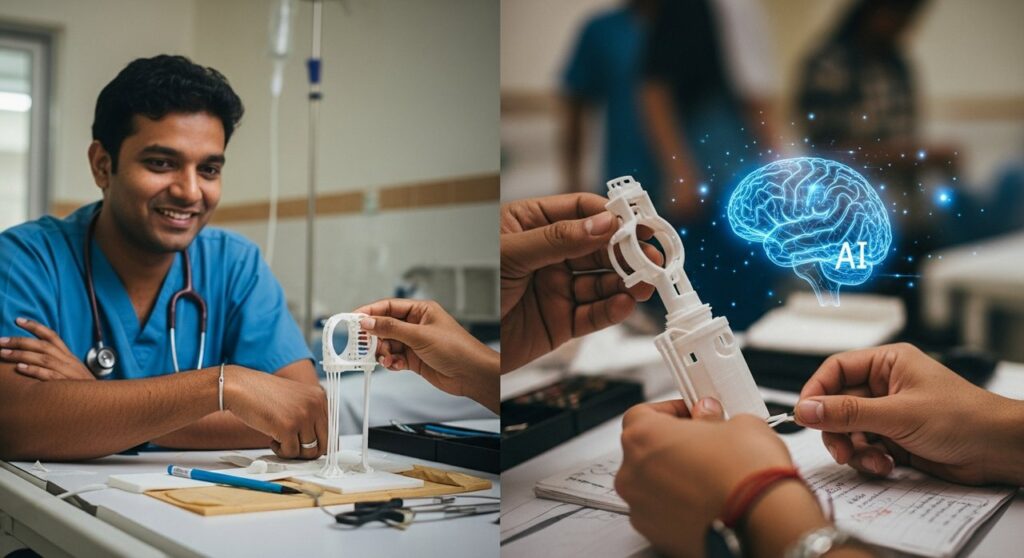
Redefining Ventilation: Low-Cost Solutions for Crowded Hospital Wards
The sound of labored breathing echoes through the ward. Overcrowded, under-resourced, and under constant pressure, hospital wards in India face a relentless challenge: providing effective care with limited means. The pandemic has only amplified the urgency for affordable and adaptable solutions, particularly in ventilation. Conventional wisdom suggests high-tech, costly systems are the answer. But what if the solution lies in low-cost innovation born out of necessity?
The Myth of High-Tech Dependence
In the throes of a healthcare crisis, the intuitive response is often to reach for the most advanced technology available. High-tech ventilators and air filtration systems promise efficiency and reliability, but they come with hefty price tags and complex maintenance requirements. For many healthcare facilities, especially in resource-constrained settings, these solutions are simply unattainable. The belief that quality care requires cutting-edge technology leaves many clinicians feeling paralyzed by their limitations.
The real challenge lies not in the absence of technology but in the failure to innovate within constraints.
Reality Check: Where Low-Cost Innovation Shines
Contrary to popular belief, low-cost, innovative solutions can be both effective and practical. Take, for instance, the use of Arduino-based ventilators. During the early days of the COVID-19 pandemic, a collective of engineers and clinicians developed a low-cost ventilator prototype using readily available components. This device, which costs a fraction of traditional ventilators, demonstrated that necessity is indeed the mother of invention.
Similarly, hospitals have explored simple yet effective hacks like creating negative pressure rooms using exhaust fans and plastic sheeting. These DIY approaches, while seemingly rudimentary, have proven critical in managing air quality and reducing infection spread in densely populated wards.
Steps to Implement Low-Cost Ventilation Solutions
- Assess the Ward Environment: Begin by identifying the specific ventilation needs of your ward. Consider factors such as patient volume, room layout, and existing ventilation systems. This assessment is crucial to understanding where interventions are most needed.
- Leverage Local Resources: Utilize locally available materials and expertise. Engage with local engineers, medical practitioners, and even patients to brainstorm and prototype solutions that are feasible within your setting.
- Prototype and Test: Develop prototypes using affordable materials. For instance, an Arduino-based ventilator can be assembled for less than INR 7,000. Test these prototypes rigorously to ensure they meet safety and functional requirements.
- Iterate Based on Feedback: Collaboration is key. Gather feedback from clinicians and patients to refine the design. This iterative process helps in optimizing the solution for practical use.
- Document and Share: Once a solution is proven effective, document the process and share it with other facilities. Open-source platforms can be invaluable for disseminating these innovations across similar settings.
Among these steps, prototyping and testing stand out as the most critical. Without thorough testing, even the most promising innovations can pose safety risks. It’s essential that prototypes undergo rigorous evaluation to ensure they are safe and effective before being deployed in real-world settings.
Breaking the Myth: You Don’t Need Permission to Innovate
Many clinicians are under the misconception that they need extensive permissions, grants, or engineering degrees to innovate. This mindset stifles creativity and progress. In reality, innovation thrives on the frontlines, driven by those who experience the challenges firsthand.
Consider the journey of designing a low-cost surgical aid. It begins with recognizing a problem, then moves to brainstorming, prototyping, and testing, all steps that can be initiated without waiting for external validation or funding.
The Power of Community and Collaboration
Building a network of like-minded innovators can accelerate the development and implementation of low-cost solutions. Communities such as MICE Labs foster collaboration among clinicians, engineers, and entrepreneurs, providing a platform to exchange ideas and resources.
Moreover, aligning with local manufacturing units can facilitate the production of prototypes at scale, ensuring that innovations are not just theoretical but actionable and impactful. This approach not only addresses immediate healthcare needs but also strengthens local economies and capabilities.
A Call to Action: Reimagine, Recreate, Revitalize
It’s time to dismantle the myth that high-tech equals high-quality care. By embracing low-cost innovations, we can enhance healthcare delivery in resource-constrained settings. The path to effective solutions is not through dependence on expensive technology but through the ingenuity and resilience of those on the frontlines.
Let the spirit of innovation drive your efforts to improve patient care. Whether it’s through designing a new device or rethinking ward layouts, the potential for impact is immense. As you embark on this journey, remember that every small step contributes to a significant change.
Innovation under pressure is not just possible, it’s imperative. And it begins with you, right here, right now.