
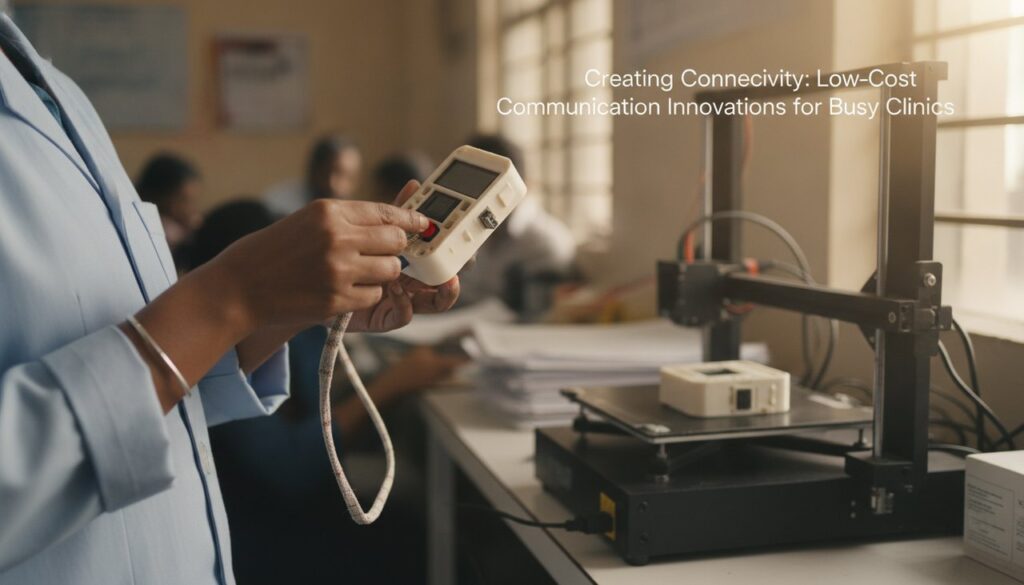
Creating Connectivity: Low-Cost Communication Innovations for Busy Clinics
Imagine a bustling clinic in the heart of Mumbai, where the waiting room is perpetually filled, and the nurses are always on the move. It’s not the lack of skill that causes delays, but the bottleneck of communication. When every second counts, how do you ensure seamless connectivity without burning a hole in the budget? This is a reality for many clinics across India, and the answer lies in low-cost communication innovations that address these inefficiencies.
The Unseen Cost of Poor Communication
In clinics where resources are stretched thin, poor communication isn’t just a nuisance, it’s a liability. A study from the Journal of Patient Safety highlights that communication failures were a contributing factor in nearly 30% of medical malpractice claims. In a field where precision is paramount, even a momentary lapse in communication can have severe consequences.
Yet, the challenge isn’t simply about technology. It’s about creating a system that works within the constraints of the clinic’s environment, where budgets are tight, and the workforce is overburdened. The goal is to create a connected environment that enhances patient care without adding to the financial strain.
Leveraging Existing Resources
Before investing in new technology, clinics should first assess the potential of their existing resources. Many clinics already possess the basic infrastructure for effective communication but lack the strategies to utilize it fully. Here are steps to exploit what you already have:
- Optimize Current Systems: Often, clinics use a hodgepodge of communication tools without any integration. Training staff to use these tools effectively can be the quickest way to see improvement. For instance, ensuring that all staff are proficient with basic email and messaging apps can reduce misunderstandings.
- Standardize Protocols: Create clear communication protocols for different scenarios. This includes standard operating procedures for emergencies, handovers, and routine check-ups. Simple checklists can ensure that no critical information falls through the cracks.
- Utilize Free Platforms: Platforms like Google Workspace and Microsoft Teams offer basic free packages that can be leveraged for document sharing and video conferencing. Clinics can use these for internal communications and patient follow-ups.
Integrating Low-Cost Technologies
When it comes to new technology, the market is flooded with options, but not all are suitable for resource-constrained clinics. It’s crucial to identify tools that offer the best cost-benefit ratio. Here are some technologies that have proven effective:
| Technology | Cost | Benefits |
|---|---|---|
| VoIP Phone Systems | Low | Reduces phone bills by using internet-based calling, offers call forwarding and voicemail. |
| Telemedicine Platforms | Moderate | Expands patient reach, reduces no-shows, and allows follow-ups without physical visits. |
| Portable Tablets | Moderate | Facilitates mobile charting and communication, reduces paperwork. |
Case Study: A Low-Cost Success Story
Consider the innovation by a Mumbai-based resident who developed a low-cost surgical splint using readily available materials. This approach can be mirrored in communication technology by adopting open-source software and DIY solutions. By engaging local talent and resources, clinics can develop tailored solutions that cater specifically to their needs.
Building a Culture of Communication
While technology plays a significant role, the human element remains crucial. Building a culture that prioritizes clear and open communication can address many inefficiencies. Here’s how:
- Regular Training: Conduct workshops to keep staff updated on the latest communication tools and techniques. This should be a regular affair, not a one-off event.
- Feedback Mechanisms: Establish channels for staff to provide feedback on communication practices. This can reveal blind spots and areas for improvement.
- Leadership Involvement: Leaders should model effective communication practices. Their involvement underscores the importance of communication and encourages team members to follow suit.
Facing the Realities
It’s important to acknowledge the realities of implementing new communication systems, especially in settings where resources are limited. Resistance to change, lack of technical expertise, and initial setup costs are common hurdles. However, the key to overcoming these lies in starting small and scaling gradually. Focus on one area of improvement, demonstrate success, and build from there.
“Effective communication is not just a tool, but a pillar of clinical practice. It can bridge the gap between resource constraints and the delivery of high-quality care.”
The Open Question: What’s Next?
As clinics continue to adapt to technological advancements, the question remains: how can we ensure that these innovations are sustainable and accessible to all? The challenge isn’t just about implementing technology but about fostering an environment where innovation thrives despite constraints. Perhaps the next step is a collaborative platform where clinics can share insights, successes, and lessons learned, creating a community-driven approach to innovation.
In conclusion, by marrying low-cost technology with strategic resource utilization, clinics can significantly enhance their communication capabilities. This not only improves patient outcomes but also creates a more efficient and harmonious work environment. The future of healthcare communication is not just about high-tech solutions but about creating meaningful connections with what we have.