
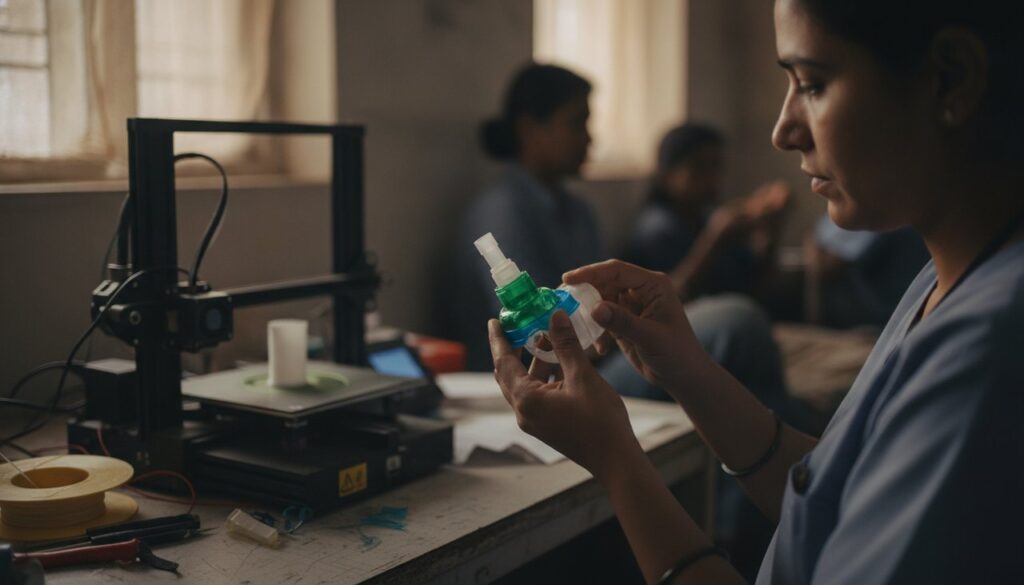
Bridging the Equipment Gap: Crafting Reliable Tools in Resource-Limited Wards
In the dimly lit corridors of a government hospital in India, a junior resident stands perplexed. The ward is bustling, patients in every corner, but the one thing she desperately needs is missing, a simple, functional splint for a child’s fractured arm. The available supplies are either outdated or unusable. This isn’t an isolated incident; it’s a recurring theme in many resource-limited settings. The question isn’t just about having the right tools, but about the ability to create them when they’re absent.
The Reality of Resource Constraints
Resource-limited wards are a harsh reality, especially in developing countries like India. The equipment gap isn’t just a logistical issue; it’s a clinical challenge that impacts patient care. According to a recent study, Indian hospitals often operate with outdated or insufficient medical tools, leading to compromised care and increased patient risk.
Tool scarcity isn’t just a logistical oversight; it’s a barrier to effective healthcare delivery.
The Scrappy Path to Innovation
One might think that solving such issues requires an engineering degree or a hefty grant. However, the reality is that innovation can thrive on constraints. Consider the story of a group of residents who, faced with frequent shortages of basic diagnostic tools, began crafting their own using locally available materials. They didn’t wait for external solutions; they leveraged their clinical expertise and a bit of ingenuity.
In many ways, this aligns with the ethos of MICE Labs, where clinicians are encouraged to innovate within their means, using local resources. The focus is on practicality and immediate utility, rather than waiting for perfect conditions or external aid.
Steps to Crafting Reliable Medical Tools
- Identify the Need: The first step is recognizing a recurring problem that impacts patient care. This could be a lack of a specific tool or the need for a more efficient process.
- Research and Prototype: Use available resources to prototype a solution. This could involve repurposing existing materials or utilizing 3D printing technology. For example, patient feedback can often provide insights that drive prototyping.
- Test and Iterate: Implement the prototype in a controlled setting to test its functionality. Gather feedback from peers and patients, and be prepared to make adjustments.
- Validate and Document: Once a prototype is refined, validate its effectiveness through clinical trials or user testing. Document the process and results to share knowledge and improve practices.
The Most Crucial Step: Collaboration
While each step in the process is essential, collaboration stands out as the most crucial. Engaging with fellow clinicians, engineers, and even patients can provide diverse perspectives that enhance the tool’s design and functionality. In resource-limited settings, collaboration often means pooling knowledge and resources to achieve a common goal.
Collaboration is the cornerstone of innovation in resource-limited settings; it transforms solitary efforts into collective solutions.
Challenges and Realities
Creating medical tools in resource-limited environments isn’t without its challenges. Sterility, liability, and regulatory approvals are significant hurdles. However, these shouldn’t be seen as insurmountable. Instead, they are factors to be managed thoughtfully. For instance, understanding the CDSCO regulatory reality in India can guide innovators in navigating the approval process efficiently.
Why This Matters
In the broader context, crafting reliable tools isn’t just about addressing immediate needs; it’s about redefining how healthcare innovation occurs in constrained environments. It’s about empowering clinicians to become innovators who can bridge the equipment gap with ingenuity and resourcefulness. This mindset shift is crucial for developing sustainable healthcare solutions that are both affordable and effective.
A Call to Action
The next time you’re faced with a missing tool or an inefficient process, ask yourself: What can be done with what’s available? What small step can you take toward a solution? Innovation doesn’t always require grand gestures or vast resources. Sometimes, it starts with a simple question and the courage to try something new.
It’s time to reimagine what’s possible in resource-limited wards. The tools we need are often within reach; we just have to be willing to craft them ourselves.