
Building Trustworthy Prototypes: Navigating the CDSCO Maze with Minimal Hassle
Imagine you’re a clinician in a bustling Mumbai hospital. Amidst the chaos, you spot a recurring problem: patients struggling with a cumbersome device that could be redesigned for better usability. But the path from observation to a functional prototype seems daunting, especially with the bureaucratic web of the Central Drugs Standard Control Organization (CDSCO) in India. Here’s the truth: it’s not an insurmountable challenge. With a clear understanding of the process and some scrappy ingenuity, you can bring your idea to life without getting lost in the regulatory labyrinth.
Understanding the Regulatory Terrain
The CDSCO is India’s national regulatory body for pharmaceuticals and medical devices. Its role is crucial in ensuring that medical products are safe and effective. However, the pathway through its regulatory requirements can be complex, particularly for innovators unfamiliar with the system. At its core, the CDSCO requires all medical devices to meet specific safety and performance standards before they can be tested or marketed. But don’t let this scare you off. Understanding the core steps and requirements is the first leap toward innovation.
Steps to Prototyping Success
- Identify the Clinical Need: This is your starting point. Spot a problem in your daily clinical practice that affects patient care and could be solved with a device. Be specific. Vague problems lead to vague solutions.
- Sketch Your Solution: Before diving into design, outline your concept on paper. This isn’t about artistic skills; it’s about translating an idea into a tangible outline. Focus on functionality and user interaction.
- Collaborate with Engineers: You don’t need an engineering degree to innovate, but you do need the right partners. Engage with experts who can translate your sketches into technical designs. This step is critical for ensuring feasibility and functionality.
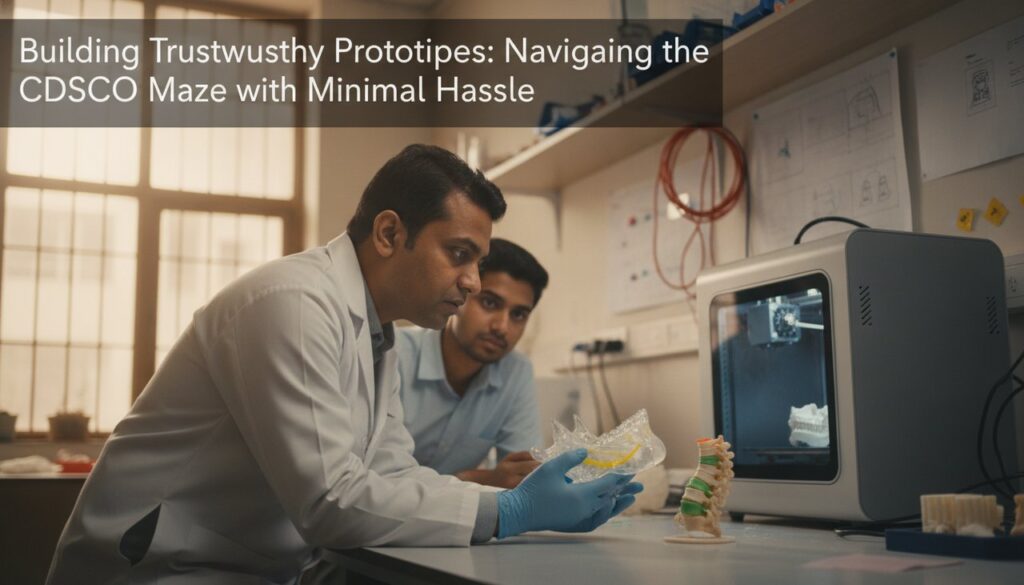
- Build a Low-Cost Prototype: Use materials readily available in your environment. Think 3D printing, which has become increasingly accessible and cost-effective. Don’t aim for perfection; aim for a working model that can be tested and iterated.
- Navigate the Regulatory Requirements: This is where many stumble. Start by understanding whether your device falls under CDSCO’s notified medical devices. If it does, you may need to apply for a registration certificate or license. If you’re uncertain, consult with regulatory experts or reach out to CDSCO for clarification.
Common Pitfalls and How to Avoid Them
The most frequent mistake is underestimating the importance of regulatory compliance. A prototype without CDSCO approval is like a car without wheels, it won’t take you anywhere. Ensure you understand the classification of your device and the associated regulatory requirements. Another common error is overdesigning the initial prototype. Remember, it’s a prototype, not the final product. The goal is to test and refine.
Real Costs in INR
Prototyping doesn’t have to break the bank, even with regulatory considerations. Here’s a rough estimate of potential costs:
| Item | Estimated Cost (INR) |
|---|---|
| 3D Printing Materials | 5,000 – 10,000 |
| Engineering Consultation | 15,000 – 25,000 |
| Regulatory Consultation | 10,000 – 20,000 |
| CDSCO Application Fees | 7,500 – 12,000 |
Remember: The cost of not innovating is often higher than the cost of developing a prototype.
Resources for the Scrappy Innovator
Leverage local resources and networks. Engage with programs like PULSE, MEDIC, and MEDHA that support medical innovation in India. These programs often provide access to mentors, funding, and technical expertise. Additionally, familiarize yourself with platforms like Maze that allow for prototype testing and user feedback, crucial for refining your design.
Conclusion: A Call to Action
Building a trustworthy prototype in the Indian medical landscape is challenging but achievable. It demands a clear understanding of regulatory requirements, a willingness to collaborate, and a commitment to practical, iterative design. By embracing these steps, you can not only navigate the CDSCO maze but also bring meaningful innovations to the bedside, enhancing patient care and clinical outcomes. Are you ready to take the first step?